

Coming out is a profound act of self-acceptance, but it often triggers complex family dynamics that can feel isolating. Navigating these relationships requires patience, clear boundaries, and a strong support system. LGBTQ+ affirming therapy provides a safe space to process these shifts, helping you maintain your well-being while honoring your identity. Whether your family responds with joy or rejection, you do not have to manage this transition alone.
Understanding the Spectrum of Family Reactions
Family reactions to coming out vary widely, ranging from immediate acceptance to prolonged silence or outright rejection. Family rejection is a specific form of emotional distress where loved ones withdraw support or express hostility toward a person's sexual orientation or gender identity. This reaction often stems from the family's own internal conflicts, such as religious beliefs, cultural expectations, or fear of social judgment, rather than a lack of love for the individual. It is crucial to recognize that their reaction is a reflection of their own processing, not a measure of your worth.
For many, the initial shock leads to a period of denial or minimization. You might hear phrases like "this is just a phase" or "we need time to think." These responses can be hurtful, but they are often a coping mechanism for the family. Understanding this psychological dynamic can help you detach your self-esteem from their immediate reaction. It allows you to view their struggle as their own to navigate, rather than a verdict on your identity.
Establishing Healthy Boundaries and Communication
Setting boundaries is essential for protecting your mental health during this transition. Boundary setting is the practice of defining acceptable behavior and communication limits to maintain emotional safety. When family members make hurtful comments or refuse to acknowledge your identity, you have the right to pause the conversation or end the interaction. You might say, "I love you, but I cannot continue this conversation if you use derogatory language." This approach asserts your dignity without escalating conflict.
Communication strategies should be tailored to the specific family member. Some relatives may need time and space, while others may be open to learning. It is helpful to provide them with resources or suggest that they speak with a professional to process their feelings. However, you are not responsible for educating them. Your primary responsibility is to your own well-being. If a family member consistently violates your boundaries, it may be necessary to limit contact temporarily or permanently to protect your peace.
Building a Support Network Beyond Family
The Role of Professional Therapy in Healing
Professional guidance can accelerate healing and provide tools for long-term resilience. Graham Gallivan Psychotherapy offers specialized care for LGBTQ+ individuals navigating identity and family issues. As a gay man and licensed marriage and family therapist, Graham brings a unique perspective that combines professional expertise with lived experience. This dual perspective allows for a deep understanding of the specific challenges faced by queer individuals, including internalized stigma and family rejection.
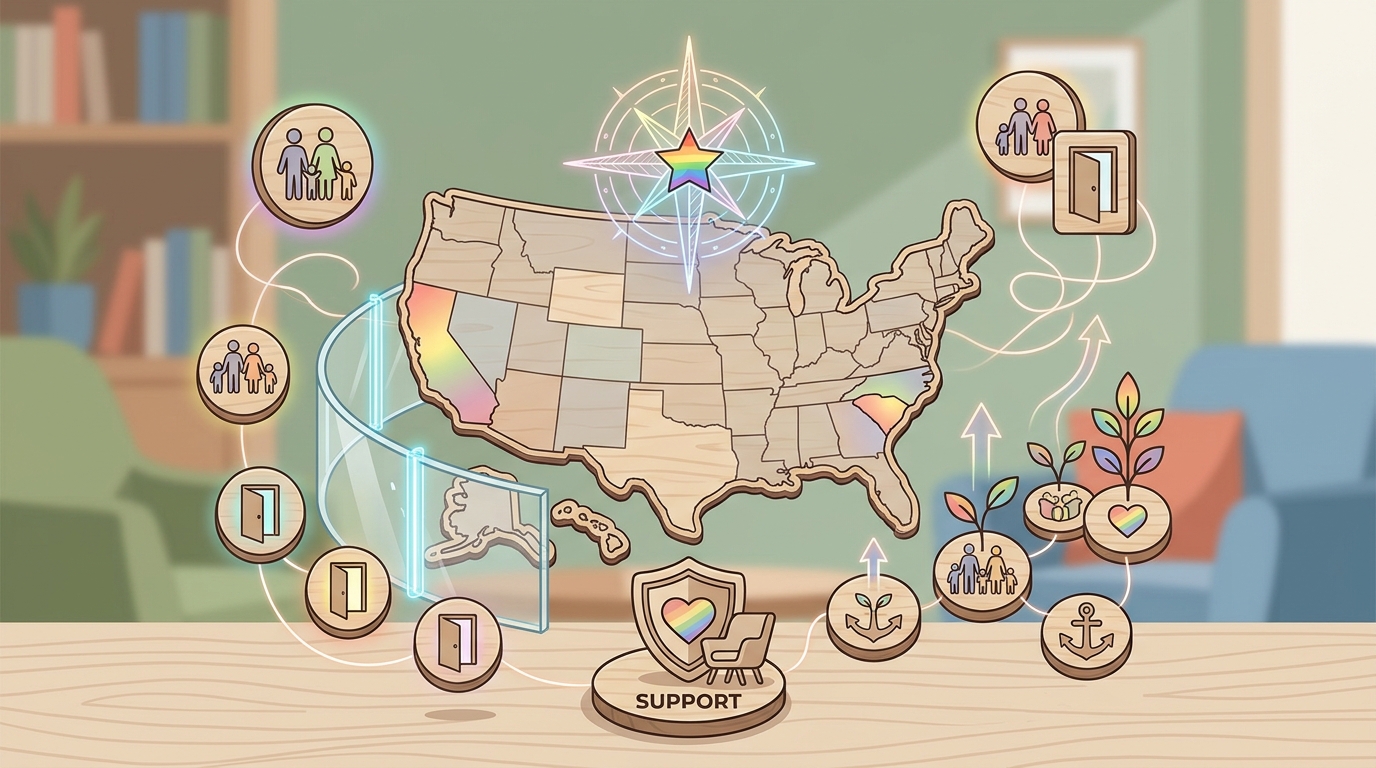
Therapy provides a neutral space to explore your feelings without judgment. It helps you distinguish between your own desires and the expectations imposed by others. For those in the Bay Area, in-person sessions are available in San Francisco. Furthermore, virtual therapy sessions are offered throughout California and South Carolina, making support accessible regardless of location. This flexibility ensures that you can receive consistent care even if you are not near the San Francisco office. The goal of therapy is not to change your family, but to empower you to live authentically and find peace within yourself.
Long-Term Growth and Reconciliation
Healing is a non-linear process that unfolds over time. Some families eventually come around, while others may never fully accept the change. It is important to grieve the relationship you hoped for while celebrating the one you have. Long-term growth involves integrating your identity into all aspects of your life, including your career, friendships, and spiritual practice. Spiritual counseling can be particularly helpful for those seeking to align their values with their actions and find meaning in their journey.
Reconciliation, if it occurs, should be on your terms. It does not mean accepting mistreatment or abandoning your boundaries. It means finding a way to coexist with family members who may not fully understand you, while maintaining your core identity. This balance requires ongoing self-reflection and support. By prioritizing your mental health and surrounding yourself with affirming people, you can build a life that feels authentic and fulfilling, regardless of your family's stance.
Key Takeaways
- Family reactions to coming out are often a reflection of their own internal conflicts, not a judgment of your worth.
- Setting clear boundaries is essential for protecting your mental health and maintaining your dignity.
- Building a chosen family and community support network can mitigate the impact of family rejection.
- Professional therapy provides a safe space to process complex emotions and develop coping strategies.
- Virtual therapy options make specialized LGBTQ+ affirming care accessible across California and South Carolina.
- Long-term healing involves integrating your identity into all areas of life and finding peace within yourself.
Frequently Asked Questions
How long does it take for family to accept my identity?
There is no set timeline for family acceptance. Some families adjust quickly, while others may take months or years. It is important to focus on your own healing and not pressure your family to accept you on a specific schedule. Patience and consistent, respectful communication can help, but you must also respect your own need for safety and affirmation.
What should I do if my family rejects me?
If your family rejects you, prioritize your safety and well-being. Limit contact if necessary and lean on your chosen family and support network. Seeking professional help from an LGBTQ+ affirming therapist can provide the emotional support and tools needed to navigate this difficult period. Remember that their rejection does not define your value or your future.
Can therapy help repair my relationship with my family?
Therapy can help you process your feelings and develop strategies for communicating with your family. While it cannot force family members to change their views, it can help you establish healthy boundaries and find peace. In some cases, family therapy may be an option if all parties are willing to participate, but individual therapy is often the first and most crucial step.
Is it normal to feel guilty after coming out?
Yes, feeling guilty is a common reaction, especially if your family is hurt or angry. However, it is important to recognize that coming out is an act of self-acceptance, not an attack on your family. Working through these feelings with a therapist can help you distinguish between healthy empathy and unhealthy self-blame, allowing you to maintain your integrity while caring for your relationships.
How can I find an LGBTQ+ affirming therapist?
Look for therapists who explicitly state their commitment to LGBTQ+ affirming care. Check their website for information about their specialties and approach. You can also consult directories from organizations like the American Psychological Association or local LGBTQ+ centers. Graham Gallivan Psychotherapy is a resource for those in the Bay Area or those seeking virtual care in California and South Carolina.