

What is the cost of LGBTQ-friendly therapy in San Francisco California?
Insurance Coverage
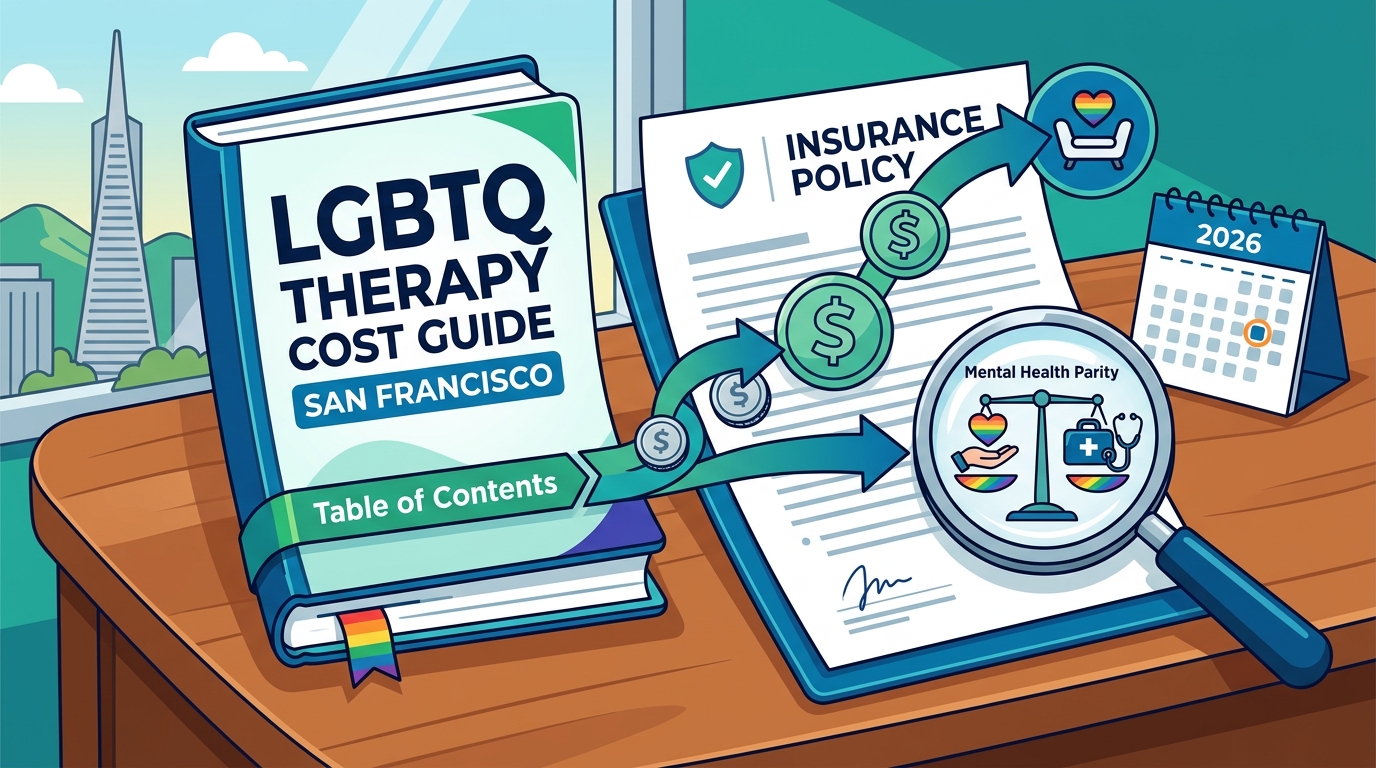
Health insurance is the most common way to manage the cost of mental health services. In California, the Mental Health Parity and Addiction Equity Act requires that insurance plans cover mental health services at the same level as physical health services. This means that if your plan covers doctor visits, it must also cover therapy sessions.
However, the out-of-pocket cost depends on your specific plan. You may have a copay, which is a fixed amount you pay per visit, or coinsurance, which is a percentage of the total cost. It is crucial to check your plan's network status. In-network providers have negotiated rates with your insurance company, resulting in lower costs for you. Out-of-network providers, such as many specialized LGBTQ+ affirming therapists, may not be covered directly, requiring you to pay the full fee and then seek reimbursement.
Verifying Your Benefits
Sliding Scale Options
Sliding scale fees are a financial accommodation offered by some therapists and community clinics. A sliding scale is a fee structure where the cost of a session is adjusted based on the client's income and ability to pay. This option is vital for ensuring that mental health care is accessible to individuals from all economic backgrounds.
How to Apply for Sliding Scale
To apply for a sliding scale, you typically need to provide proof of income, such as recent pay stubs or tax returns. The clinic will then determine your fee tier. It is important to be honest about your financial situation, as these funds are often limited and reserved for those who truly need them.
Private Therapy Rates
Private pay therapy allows you to choose any licensed provider without the constraints of an insurance network. In San Francisco, private therapy rates vary widely based on the therapist's education, experience, and specialization. For specialized care, such as LGBTQ+ affirming therapy, rates may be higher due to the additional training and expertise required. according to The Lies and
At Graham Gallivan Psychotherapy, the fee for individual sessions is $375 for 50 minutes. For couples therapy, the fee is $525 for 50 minutes. These rates reflect the high standard of care and the specialized focus on LGBTQ+ identity, anxiety, depression, and spiritual counseling. While this may seem high, it is consistent with the market rate for experienced therapists in the San Francisco area.
Why Specialized Care Costs More
Therapists who specialize in LGBTQ+ affirming care often undergo additional training to understand the unique challenges faced by queer and trans individuals. This expertise ensures that you receive a safe, validating, and effective therapeutic environment. The investment in specialized care can lead to faster and more meaningful progress.
Insurance Coverage Options
When using insurance for therapy, you have two main options: in-network and out-of-network. In-network providers have a contract with your insurance company, meaning they accept the insurance's negotiated rate as payment in full. You are only responsible for your copay or coinsurance.
Out-of-network providers do not have a contract with your insurance company. You pay the provider the full fee, and then you can submit a claim to your insurance company for reimbursement. This process is known as out-of-network reimbursement. It is important to note that not all insurance plans offer out-of-network reimbursement, and those that do may have lower reimbursement rates and higher out-of-pocket maximums.
Superbills and Reimbursement
If you choose an out-of-network therapist, they will provide you with a document called a superbill. This document includes the details of your session, such as the date, duration, and diagnosis code. You submit this superbill to your insurance company to request reimbursement. The process can take several weeks, so it is important to keep track of your submissions.
Therapy Session Costs
Understanding the total cost of therapy involves looking at more than just the per-session fee. You should consider the frequency of sessions, the length of treatment, and any additional costs, such as travel or parking. In San Francisco, parking can be expensive, so if you are coming in person, factor that into your budget.
Comparison of Therapy Costs
| Service Type | Provider | Cost per Session | Insurance Accepted |
|---|---|---|---|
| Individual Therapy | Graham Gallivan Psychotherapy | $375 | Out-of-network reimbursement |
| Couples Therapy | Graham Gallivan Psychotherapy | $525 | Out-of-network reimbursement |
| Sliding Scale | Community Clinics | Varies by income | Varies |
Key Takeaways
- Insurance coverage depends on whether the provider is in-network or out-of-network.
- Sliding scale options are available at community clinics but may have waitlists.
- Private pay at Graham Gallivan Psychotherapy is $375 for individuals and $525 for couples.
- Virtual therapy is available in California and South Carolina, offering convenience without extra cost.
- Always verify your insurance benefits and ask for a superbill if you are out-of-network.
- Consider the total cost, including travel and parking, when budgeting for in-person sessions.
Frequently Asked Questions
Does Graham Gallivan Psychotherapy accept insurance?
I am considered an out-of-network insurance provider and can give you a receipt (known as a superbill) so that you can get reimbursed from your insurance provider. Any communication with the insurance provider should be handled by the client.
How much does therapy cost in San Francisco?
Do you offer virtual therapy?
Yes, I offer online therapy available throughout California and South Carolina. This allows clients to receive the same quality of care from the comfort of their home.
What is a sliding scale fee?
A sliding scale fee is a reduced cost for therapy based on your income and ability to pay. These options are typically offered by community clinics and non-profit organizations.
How do I get reimbursed by my insurance?
Is virtual therapy as effective as in-person therapy?
Research shows that virtual therapy can be just as effective as in-person therapy for many issues, including anxiety and depression. It offers the flexibility to attend sessions from anywhere in California or South Carolina.