

Common Pitfalls in Spiritually-Integrated Therapy and How to Avoid Them
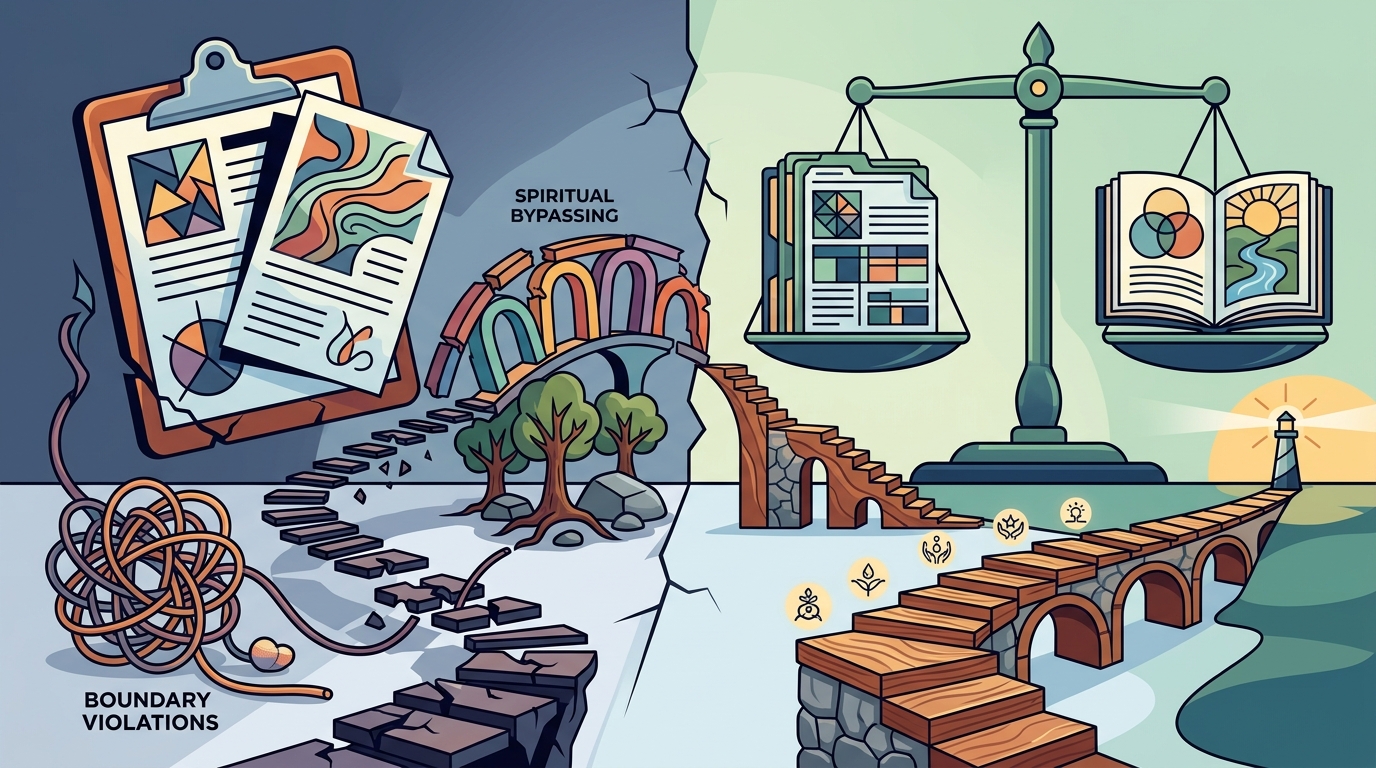
Spiritually-integrated therapy is a specialized modality that bridges the gap between clinical psychology and personal meaning-making. According to recent clinical reviews, approximately 75% of patients report that spirituality is an important factor in their mental health treatment. However, integrating these two domains is complex. When done incorrectly, it can lead to misdiagnosis, boundary violations, or spiritual bypassing. This guide outlines the most frequent errors in this practice and provides concrete strategies to avoid them, ensuring a safe and effective therapeutic journey.
Understanding Spiritual Bypassing
One of the most pervasive pitfalls in spiritually-integrated therapy is spiritual bypassing. This term describes the use of spiritual ideas and practices to sidestep facing unresolved emotional issues, developmental tasks, or unprocessed trauma. It is a defense mechanism that can hinder genuine healing.
When a therapist or client uses spirituality to avoid pain, the underlying issues remain unaddressed. For example, telling a client to "just pray away their anger" ignores the root cause of that anger. This approach can lead to a false sense of peace while the client continues to struggle with anxiety or depression. To avoid this, therapists must validate the client's emotional experience before introducing spiritual frameworks. Emotional validation is the foundation of trust in any therapeutic relationship.
Therapists should encourage clients to explore the full spectrum of their emotions. This includes negative feelings like grief, rage, and fear. Only after these emotions are processed can spiritual insights provide deeper meaning. This method ensures that spirituality supports healing rather than masking it. For more on managing anxiety through evidence-based methods, explore anxiety therapy options that prioritize emotional processing.
The Danger of Imposing Beliefs
Another critical error is the imposition of the therapist's personal spiritual or religious beliefs onto the client. This is a severe ethical violation that can cause significant harm. Clients seek therapy for their own growth, not to adopt the therapist's worldview. Imposing beliefs can lead to feelings of shame, confusion, and disconnection.
Therapists must maintain a neutral and open stance. They should invite clients to explore their own spiritual beliefs without judgment. This requires self-awareness and regular supervision to identify personal biases. If a therapist feels compelled to share their own beliefs, they should pause and reflect on the motivation behind this impulse. Is it for the client's benefit or the therapist's comfort?
Creating a safe space for diverse spiritual identities is essential. This includes respecting clients who are secular, agnostic, or from non-traditional spiritual backgrounds. For LGBTQ+ individuals, who may have experienced rejection from religious institutions, this sensitivity is even more crucial. LGBTQ+ affirming therapy ensures that clients feel seen and respected in their entirety.
Ignoring Clinical Needs for Spirituality
Spirituality should complement, not replace, clinical treatment. A common pitfall is neglecting evidence-based clinical interventions in favor of purely spiritual approaches. Mental health conditions like major depressive disorder, bipolar disorder, or severe anxiety often require specific clinical strategies, such as cognitive-behavioral techniques or medication management.
Therapists must assess the client's clinical needs accurately. If a client is experiencing psychosis or severe trauma, spiritual interventions alone are insufficient and potentially dangerous. The therapist must prioritize stabilization and safety. Spirituality can be integrated into the recovery process, but it cannot substitute for medical or psychological care.
For instance, a client with severe depression may need behavioral activation before they are ready to engage in spiritual reflection. Pushing spiritual concepts too early can overwhelm the client. It is vital to balance spiritual exploration with clinical rigor. Depression therapy often requires a structured approach to help clients regain functionality before delving into deeper existential questions.
Navigating Boundary Violations
Spiritual practices can sometimes blur professional boundaries. Activities like prayer, meditation, or energy work may feel intimate and personal. If not managed carefully, these activities can lead to dual relationships or dependency. Therapists must establish clear boundaries regarding spiritual practices within the session.
For example, a therapist should not engage in prayer with a client unless it is explicitly requested and aligns with the treatment plan. Even then, the therapist must remain in their professional role. The focus should always be on the client's goals, not the therapist's spiritual agenda. Clear contracts and ongoing consent are necessary to maintain these boundaries.
Additionally, therapists should be cautious about sharing their own spiritual experiences. While self-disclosure can be therapeutic, it must be used sparingly and with clear intent. The goal is to model healthy boundaries and encourage the client's autonomy. For couples navigating complex relationship dynamics, couples therapy can help establish healthy communication patterns that extend to spiritual discussions.
Ensuring Cultural and Religious Competence
Spirituality is deeply tied to culture and identity. Therapists must be culturally competent to avoid misinterpretations or insensitivity. This includes understanding the nuances of different religious traditions, indigenous practices, and secular spiritualities. A lack of competence can lead to microaggressions or invalidation of the client's identity.
Therapists should engage in continuous education about diverse spiritual traditions. This includes reading, attending workshops, and seeking supervision from experts in specific cultural domains. It is also important to ask clients about their preferences and comfort levels with spiritual integration. Some clients may prefer a strictly secular approach, while others may want deep spiritual exploration.
Respecting the client's autonomy is paramount. If a therapist feels unqualified to work with a specific spiritual tradition, they should refer the client to a more appropriate provider. This ethical stance protects the client and maintains the integrity of the therapeutic relationship. For those in the Bay Area, Berkeley therapy services often emphasize this cultural sensitivity.
Key Takeaways
- Spiritual Bypassing: Avoid using spirituality to escape emotional pain; process emotions first.
- No Imposition: Never impose personal beliefs; respect the client's unique spiritual path.
- Clinical Priority: Prioritize evidence-based clinical interventions for severe mental health conditions.
- Clear Boundaries: Maintain professional boundaries in spiritual practices to prevent dependency.
- Cultural Competence: Continuously educate yourself on diverse spiritual and cultural traditions.
- Client Autonomy: Always ask for consent and respect the client's preferences regarding spirituality.
- Referral Ethics: Refer clients to specialists if you lack competence in their specific spiritual tradition.
Frequently Asked Questions
What is spiritual bypassing?
Spiritual bypassing is the use of spiritual ideas to avoid facing unresolved emotional issues or psychological wounds. It can hinder genuine healing by masking underlying problems.
Can a therapist impose their religious beliefs?
No, therapists are ethically bound not to impose their personal religious or spiritual beliefs on clients. They must respect the client's autonomy and diverse worldview.
Is spirituality a substitute for clinical therapy?
No, spirituality should complement clinical therapy. Severe mental health conditions require evidence-based clinical interventions, which spirituality alone cannot provide.
How do therapists ensure cultural competence?
Therapists ensure cultural competence through continuous education, supervision, and open dialogue with clients about their specific cultural and spiritual needs.
What if I am not religious?
Spiritually-integrated therapy can still be beneficial for non-religious individuals. It often focuses on meaning, purpose, and connection, which are universal human experiences.
How do I find a spiritually-integrated therapist?
Look for therapists who explicitly mention spiritual integration in their profile. Ask about their approach during a consultation to ensure it aligns with your values.
Are there risks to spiritual integration?
Risks include spiritual bypassing, boundary violations, and cultural insensitivity. These are mitigated by working with a trained, ethical professional.
Start Your Healing Journey
Avoiding these pitfalls requires expertise, self-awareness, and a commitment to ethical practice. If you are seeking a therapist who understands the nuances of spiritually-integrated care, I invite you to connect. I offer a holistic approach that respects your unique journey while providing evidence-based support.
Take the first step toward emotional well-being. Schedule a free 15-minute consultation today to discuss how we can work together. Whether you are in San Francisco, Berkeley, or online in California or South Carolina, I am here to support your path to authenticity and peace.