

What LGBTQ Couples Should Expect From Their First Virtual Therapy Session
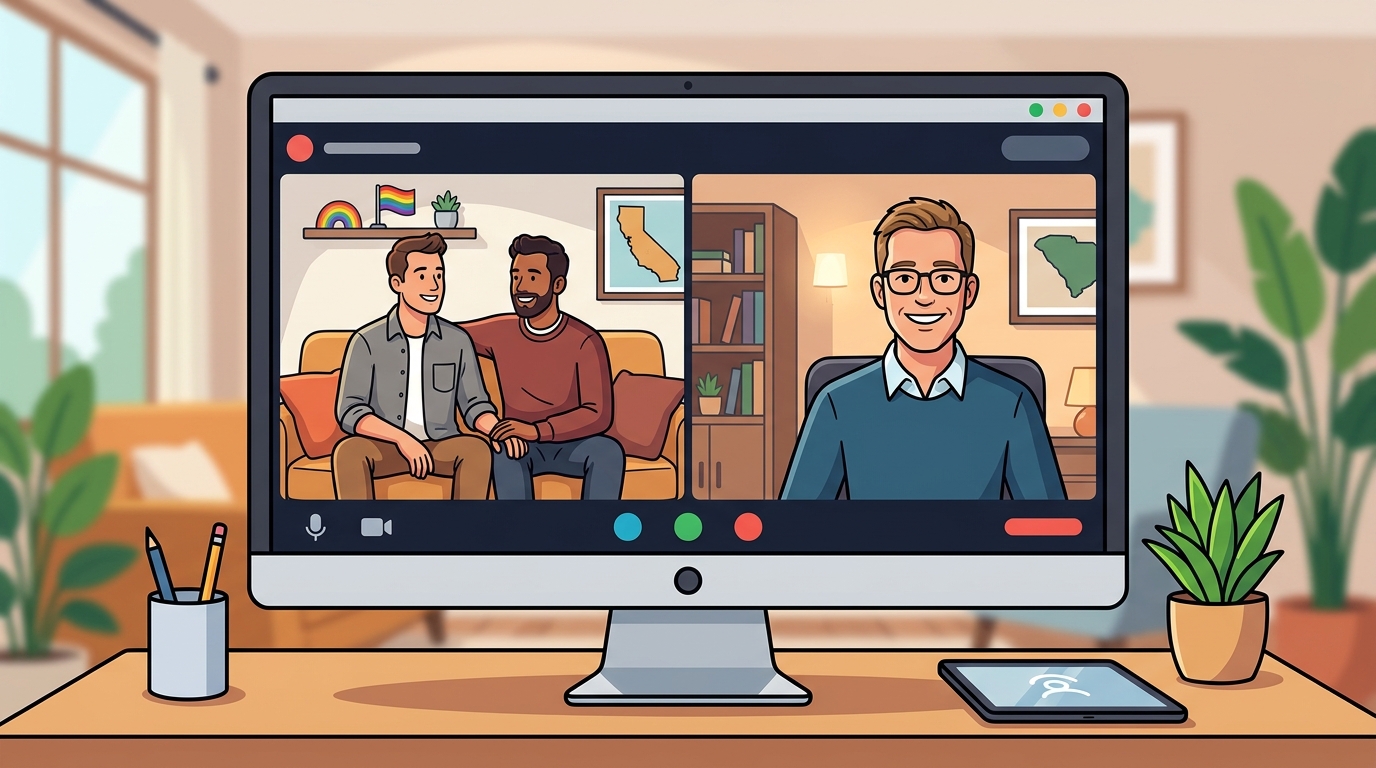
Your first virtual therapy session is a low-pressure introduction where you and your partner meet your therapist, share your goals, and assess whether the relationship feels safe and supportive. At Graham Gallivan Psychotherapy, we focus on creating an affirming space for LGBTQ+ couples to begin this process. We offer virtual sessions throughout California and South Carolina, ensuring you can access care from the comfort of your home. This initial meeting helps establish trust and sets the foundation for meaningful change in your relationship. according to Gay Lesbian and
Preparing for Your First Session
Preparation is the first step in making your initial session productive. You do not need to have all the answers or a perfect script. Instead, focus on identifying the core issues you want to address. Therapeutic readiness is the state of being mentally prepared to engage in open and honest communication with a professional. For many couples, this means discussing your expectations with each other before the call. Consider what has been working and what has been breaking down in your relationship. You might also think about any specific fears you have about therapy. Bringing these thoughts to the session helps your therapist understand your unique dynamic. It also allows you to feel more grounded when you speak. Remember that the first session is about connection, not fixing everything immediately.
Technical and Environmental Setup
Virtual therapy requires a stable internet connection and a private space. Before your appointment, test your video platform to ensure your camera and microphone are working. Choose a quiet room where you will not be interrupted. Virtual therapy is a form of telehealth where clients and therapists interact through video conferencing technology. This modality offers flexibility, especially for couples in different locations. If you are in California or South Carolina, you can attend sessions from your home. Ensure your lighting is adequate so your therapist can see your facial expressions. You may also want to have a notebook nearby to jot down thoughts. A calm environment helps reduce anxiety and allows you to focus on the conversation. Technical issues can be distracting, so it is best to resolve them before the session begins.
What Happens During the Session
The first session typically begins with introductions and a review of the therapeutic process. Your therapist will explain their approach and ask for your consent to proceed. They will then invite you to share your reasons for seeking therapy. Intake assessment is the initial process of gathering information about your history, current concerns, and goals. This is not an interrogation. It is a collaborative conversation. Your therapist will listen to both partners to understand the relationship from multiple perspectives. They may ask about your communication patterns, conflict styles, and past experiences. You will also have the opportunity to ask questions about the therapist's background and specialties. This part of the session is crucial for building rapport. It allows you to gauge whether you feel comfortable with your therapist. If you feel heard and respected, that is a good sign.
The Role of Affirming Care
For LGBTQ+ couples, finding a therapist who understands your identity is essential. An affirming therapist creates a space where your relationship is validated without judgment. At Graham Gallivan Psychotherapy, we specialize in LGBTQ+ affirming care. This means we recognize the unique challenges queer couples may face, such as societal stigma or family rejection. LGBTQ+ affirming therapy is a therapeutic approach that actively supports and validates the identities of LGBTQ+ clients. Your therapist should use your preferred names and pronouns. They should also be knowledgeable about the specific stressors that affect queer relationships. This understanding helps build trust and safety. You should feel free to bring your whole self into the session. If you feel your therapist is not affirming, it is okay to say so. You deserve a provider who respects your identity and relationship structure, whether it is monogamous or non-traditional.
Deciding on Next Steps
Key Takeaways
- The first virtual session is an introduction to assess fit and establish trust.
- Prepare by identifying your core goals and discussing expectations with your partner.
- Ensure a stable internet connection and a private, quiet space for the call.
- Intake assessment involves sharing your history and concerns in a collaborative way.
- Look for an affirming therapist who validates your LGBTQ+ identity and relationship structure.
- The therapeutic alliance is built on feeling heard, safe, and respected.
- You have the right to change therapists if you do not feel a good fit.
Frequently Asked Questions
Is virtual therapy as effective as in-person therapy?
Research suggests that virtual therapy can be just as effective as in-person therapy for many issues. The key is the quality of the therapeutic relationship. If you feel connected and safe with your therapist, the modality matters less. according to Gay Lesbian and
How do I know if my therapist is LGBTQ+ affirming?
Look for explicit statements about their affirming practice on their website. You can also ask directly during your first session. A good therapist will welcome these questions and demonstrate respect for your identity.
What if I feel awkward talking about my relationship on video?
It is normal to feel awkward at first. Your therapist is trained to help you navigate this. They will guide the conversation and help you feel more comfortable over time. Remember that the first session is just the beginning.
Can we do the session from different locations?
Yes, virtual therapy allows couples to attend from different locations. This is especially helpful for long-distance relationships. Ensure both partners have a stable internet connection and a private space.
How much does virtual therapy cost?
What if I am not sure if I want to continue after the first session?
It is okay to take time to decide. You can schedule a follow-up consultation or simply wait. There is no pressure to commit. Your comfort and safety are the top priorities.
Start Your Journey With Confidence
Beginning therapy is a courageous step. At Graham Gallivan Psychotherapy, we are committed to supporting LGBTQ+ couples with warmth and expertise. We offer virtual sessions throughout California and South Carolina, making it easy for you to access care. If you are ready to take the first step, schedule a free consultation today. Let us help you build a stronger, more connected relationship.