

Comparing San Francisco Therapy Options: A Guide to Finding the Right Fit
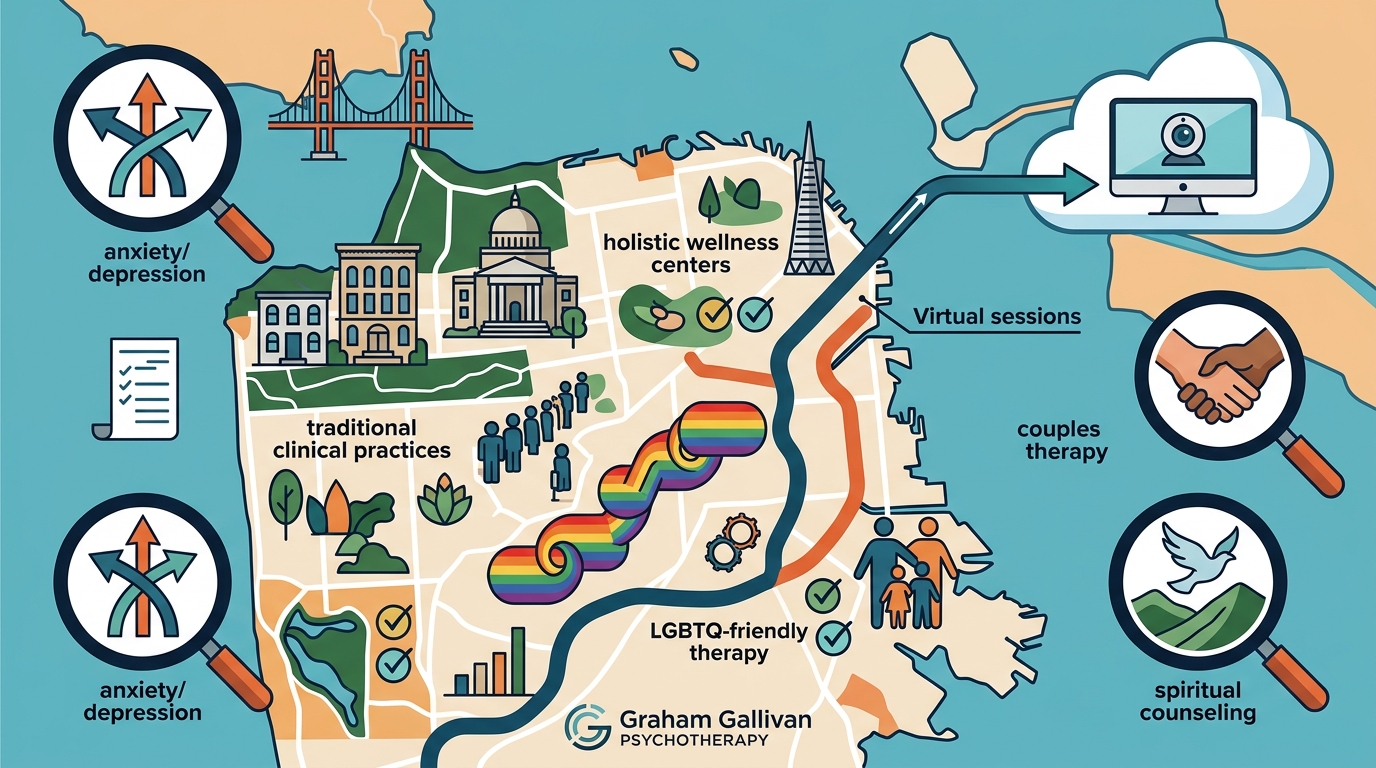
San Francisco is widely recognized as a global hub for mental health innovation and progressive care models. According to recent demographic health surveys, approximately 15% of the city's adult population engages in some form of psychotherapy annually, driven by the region's high-pressure tech economy and vibrant LGBTQ+ community. This high demand has created a diverse landscape of providers, ranging from traditional clinical practices to holistic wellness centers. Navigating this market requires understanding the specific modalities, locations, and specializations available to ensure you receive care that aligns with your personal values and clinical needs.
Understanding the San Francisco Therapy Landscape
The mental health ecosystem in the Bay Area is distinct from other major metropolitan centers. It is characterized by a high concentration of licensed professionals who specialize in niche areas such as tech burnout, queer identity, and spiritual integration. Unlike generic national chains, many local practices operate as boutique firms, offering highly personalized care plans.
When comparing options, it is crucial to look beyond the basic credentials. While all licensed therapists in California must meet state board requirements, the approach varies significantly. Some providers focus strictly on cognitive behavioral techniques, while others, like those at Graham Gallivan Psychotherapy, integrate spiritual counseling with clinical evidence-based practices. This distinction matters for clients seeking a holistic view of their well-being rather than just symptom management.
The geographic distribution of these services also plays a role. Historically, therapy was concentrated in downtown offices. However, the rise of telehealth has expanded access to neighborhoods like Berkeley, Mill Valley, and Oakland, allowing for a more decentralized comparison of providers based on convenience and comfort.
Comparing Therapeutic Modalities
Choosing the right therapy often comes down to the specific modality used. Different approaches yield different results depending on whether you are dealing with acute anxiety, long-term depression, or relationship dynamics.
Cognitive Behavioral Therapy (CBT)
CBT is the most widely researched and prescribed form of therapy. It focuses on identifying and changing negative thought patterns. It is highly effective for anxiety and depression but can sometimes feel rigid for clients seeking deeper existential exploration.
Emotionally Focused Therapy (EFT)
EFT is particularly popular in couples counseling. It focuses on the emotional bonds between partners. This approach is less about "fixing" communication skills and more about accessing underlying emotional needs. It is a preferred method for many LGBTQ+ couples navigating non-traditional relationship structures.
Holistic and Spiritual Integration
In San Francisco, a growing number of therapists blend clinical psychology with spiritual counseling. This modality is ideal for individuals who feel disconnected from their purpose or are struggling with the materialistic pressures of the tech industry. It addresses the whole person, including their values and sense of meaning.
Specialization: LGBTQ+ and Corporate Stress
Two of the most significant drivers of therapy demand in San Francisco are LGBTQ+ identity issues and corporate burnout. When comparing providers, specialization is a key differentiator.
LGBTQ+ Affirming Care
Not all therapists are equally equipped to handle the nuances of queer identity. An LGBTQ+-affirming therapist does not just tolerate these identities but actively understands the societal pressures, coming-out processes, and community dynamics involved. Providers like Graham Gallivan explicitly market themselves as affirming, ensuring a safe space for clients to explore their identity without judgment.
Tech Industry Burnout
San Francisco's tech sector is notorious for its high-stress environment. Many therapists have specific experience working with engineers, executives, and startup founders. They understand the unique stressors of imposter syndrome, the fear of failure, and the difficulty of disconnecting from work. A therapist with this background can offer more relevant coping strategies than a generalist.
In-Person vs. Online Therapy
The comparison between in-person and online therapy is no longer about which is "better," but which is more effective for your specific situation.
| Feature | In-Person Therapy | Online Therapy |
|---|---|---|
| Location | Physical office (e.g., 45 Franklin St, SF) | Virtual via secure video platform |
| Accessibility | Requires travel to SF, Berkeley, or Oakland | Available throughout California & South Carolina |
| Atmosphere | Structured, contained environment | Comfort of home, potentially more vulnerable |
| Best For | Crisis intervention, deep somatic work | Consistency, busy schedules, remote workers |
Many modern practices, including Graham Gallivan Psychotherapy, offer both options. This flexibility allows clients to start with a free consultation online and transition to in-person sessions if they prefer the physical presence of the therapist.
Case Study: Graham Gallivan Psychotherapy
To illustrate how to evaluate a specific provider, let us look at Graham Gallivan, a Licensed Marriage and Family Therapist (LMFT) in San Francisco. His practice offers a clear example of how specialization and personal philosophy shape service delivery.
Gallivan’s approach is rooted in his own healing experiences and his background in corporate environments. This dual perspective allows him to relate to both the clinical aspects of anxiety and the practical realities of high-pressure careers. His practice is located at 45 Franklin St #219, San Francisco, CA 94102, serving the broader Bay Area including Berkeley and Palo Alto.
Key differentiators in his model include:
- Free Consultation: He offers a free 15-minute phone or video consultation, reducing the barrier to entry for new clients.
- Specialized Focus: Explicit focus on LGBTQ+ affirming care, couples therapy, and spiritual counseling.
- Holistic Integration: Combining evidence-based techniques with spiritual exploration, catering to clients who feel disconnected from traditional clinical models.
Comparing this to a generalist practice, Gallivan’s model is tailored for individuals seeking a therapist who understands the intersection of identity, career, and spirituality. This is particularly relevant for the San Francisco demographic.
Key Takeaways
- Specialization Matters: Look for therapists who explicitly mention LGBTQ+ affirming care or tech industry experience if these are relevant to your needs.
- Modalities Vary: Understand the difference between CBT, EFT, and holistic approaches to find the right fit for your goals.
- Flexibility is Key: Many top providers, including Graham Gallivan Psychotherapy, offer both in-person and online options to accommodate busy schedules.
- Consultation is Standard: A free 15-minute consultation is a common industry standard for assessing rapport and fit.
- Geographic Reach: While many offices are in SF, online therapy expands access to the entire state of California and beyond.
- Holistic Options: Consider providers who integrate spiritual counseling if you seek meaning beyond symptom reduction.
- Local Expertise: Therapists familiar with the Bay Area’s unique cultural and professional pressures can offer more nuanced insights.
Frequently Asked Questions
How do I choose between in-person and online therapy?
Choose online therapy if you value convenience, have a busy schedule, or live outside the immediate San Francisco area. Choose in-person therapy if you prefer a contained, physical environment for deeper emotional work or if you struggle with distractions at home.
What is LGBTQ+ affirming therapy?
LGBTQ+ affirming therapy is a practice where the therapist actively validates and supports the client’s sexual orientation and gender identity. It avoids pathologizing these identities and instead focuses on the unique societal challenges faced by the community.
Does Graham Gallivan offer a free consultation?
Yes, Graham Gallivan offers a free 15-minute phone or video consultation to help potential clients determine if his approach aligns with their needs.
What areas does Graham Gallivan serve?
He serves clients in-person in San Francisco, Berkeley, Mill Valley, Oakland, and Palo Alto. Online therapy is available throughout California and South Carolina.
What is the difference between a therapist and a counselor?
In California, Licensed Marriage and Family Therapists (LMFTs) like Graham Gallivan are trained to work with both individuals and couples, focusing on relational dynamics and systemic issues. Counselors may have varying scopes of practice depending on their specific licensure.
How can therapy help with tech industry burnout?
Therapy can help by providing tools to manage imposter syndrome, set boundaries between work and personal life, and address the existential questions that often arise in high-achieving careers.
What is spiritual counseling in therapy?
Spiritual counseling integrates a client’s spiritual or religious beliefs into the therapeutic process. It helps clients find meaning and purpose, aligning their daily actions with their core values.
Next Steps
Finding the right therapist is a personal journey that requires careful comparison of specialties, modalities, and logistical fit. If you are grappling with anxiety, depression, or relationship complexities, taking the first step is crucial. Consider scheduling a free consultation with a provider who specializes in your specific needs. For those in the Bay Area seeking a holistic, LGBTQ+-affirming approach, contacting Graham Gallivan Psychotherapy is a strong starting point. You can also explore their blog for further insights on mental health and well-being.